
Our products
PEX fittings
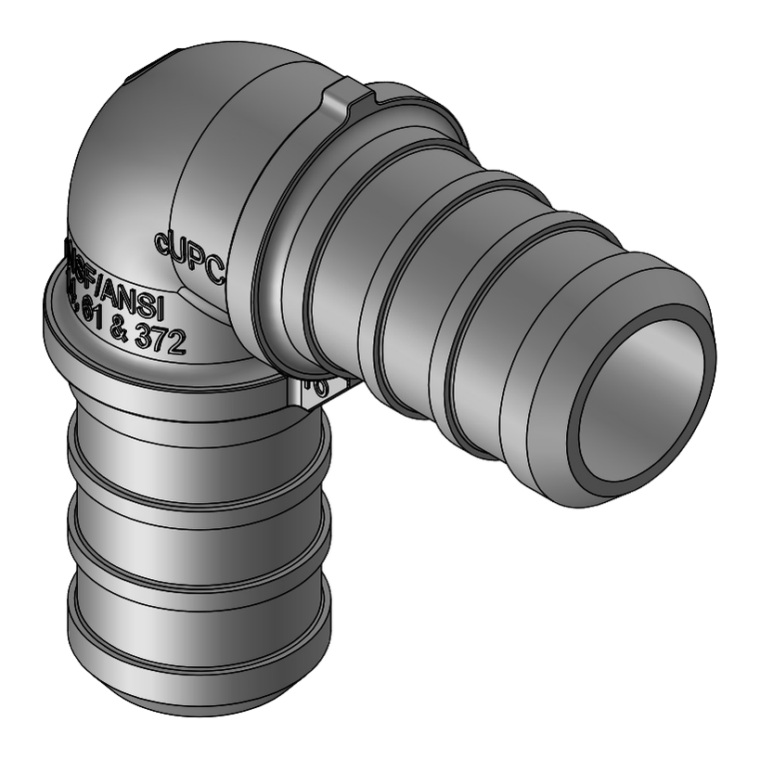
ASTM F2159 and F1960 fittings, molded in polyphenylsulfone.
At a glance
Flow by design
Built to turn the corner cleanly.
Every fitting in a run costs some pressure. Most of it is lost where water is forced to change direction or trip over an edge — that is where turbulence starts. Our elbow is shaped so the flow does not have to fight it.
- 1
Full port: standard on F1960
Every F1960 fitting is full port — it is part of the cold-expansion system, not a feature of one maker’s part. The PEX is expanded over the fitting, so the waterway through the elbow is the same size as the pipe from end to end.
- 2
A constant bore on F2159
On a crimp fitting the insert sits inside the pipe, so the bore narrows where the pipe meets the insert. From there it stays the same size all the way through the bend, with no step inside the fitting.
- 3
A smooth radius round the outside
The outside of the turn follows a smooth radius rather than a square corner, so the flow is guided round the bend instead of piling into a flat wall.
Less turbulence at each fitting means less pressure lost along the run, and steadier flow at the fixture.
Flow simulation
A larger bend radius, and the flow shows it.
Our 1/2″ F2159 elbow is built with a larger bend radius than the comparison part, for better flow. Both elbows were simulated in CFD under the same conditions — same pipe size, same inlet flow rate. The streamlines trace the water through each one, coloured by velocity.
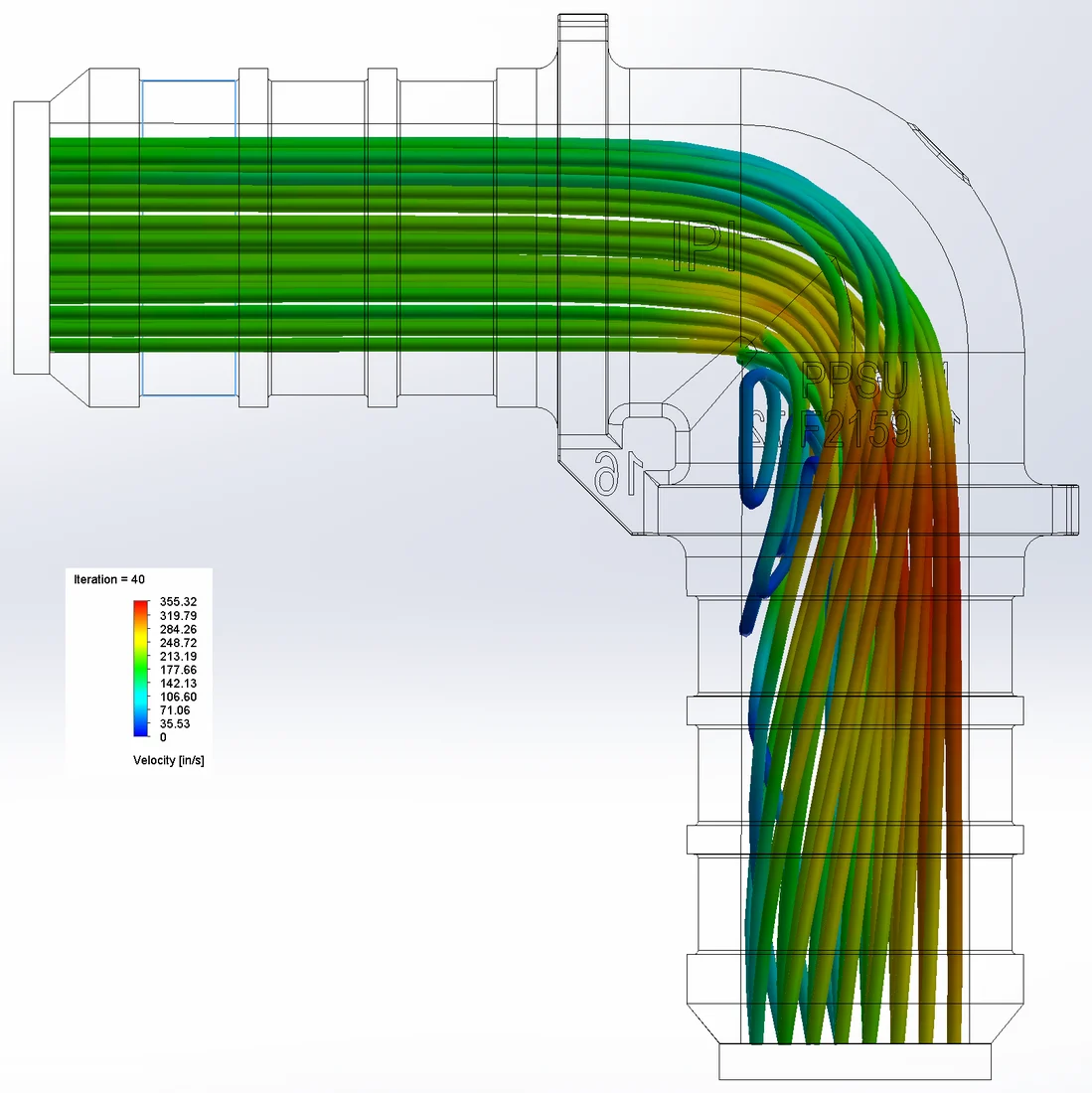
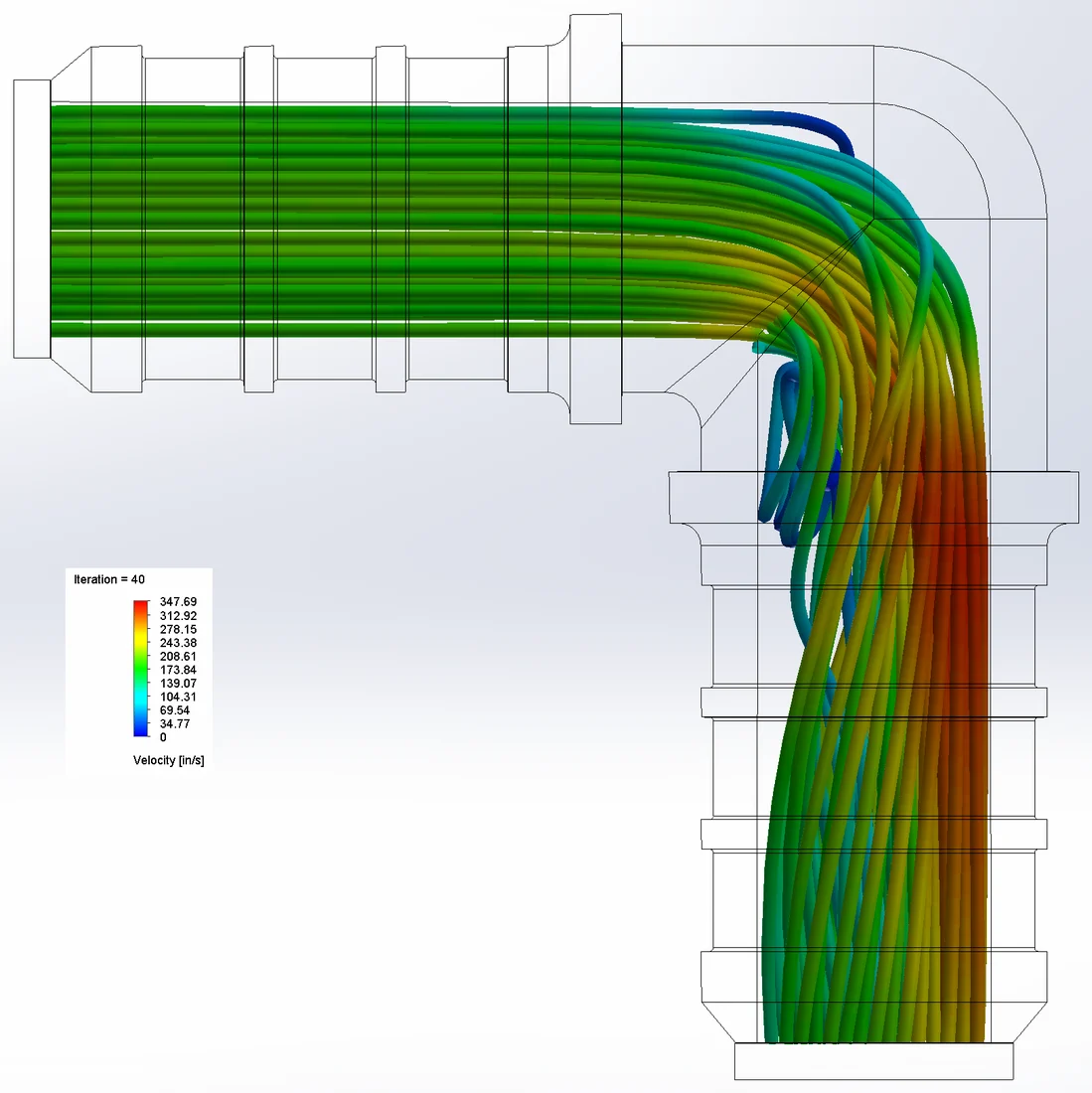
What the images show: in the comparison elbow, a streak of low-velocity flow runs along the outside of the bend. Ours does not show one. Each image has its own colour scale, so the same colour does not mean the same speed in both.
CFD velocity streamlines, in/s, iteration 40. Both runs at the same pipe size and inlet flow rate.
Overview
Both connection systems. One domestic source.
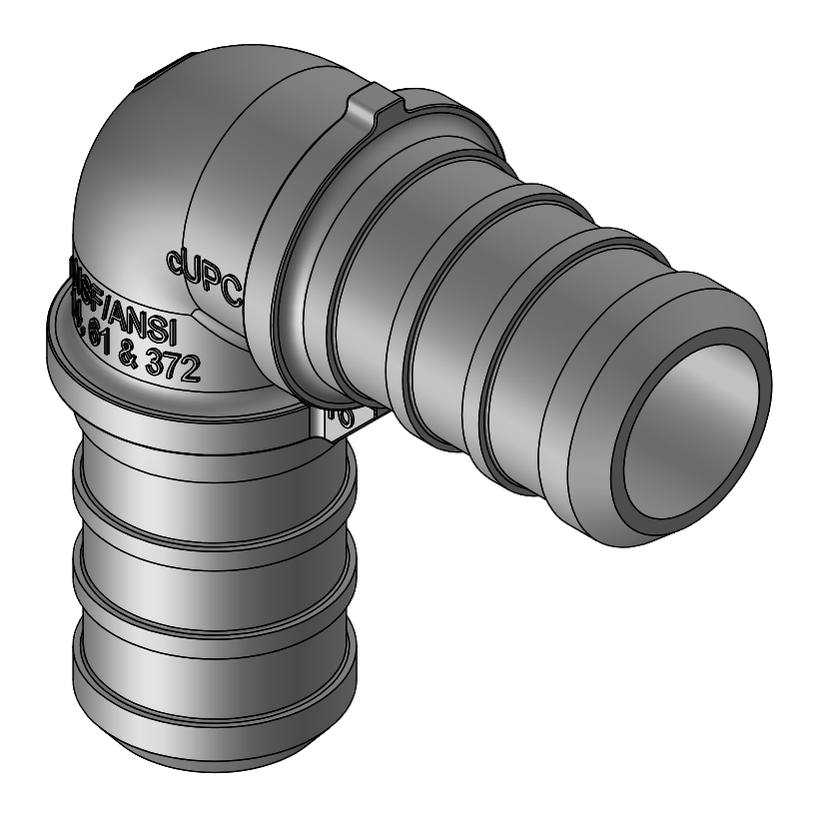
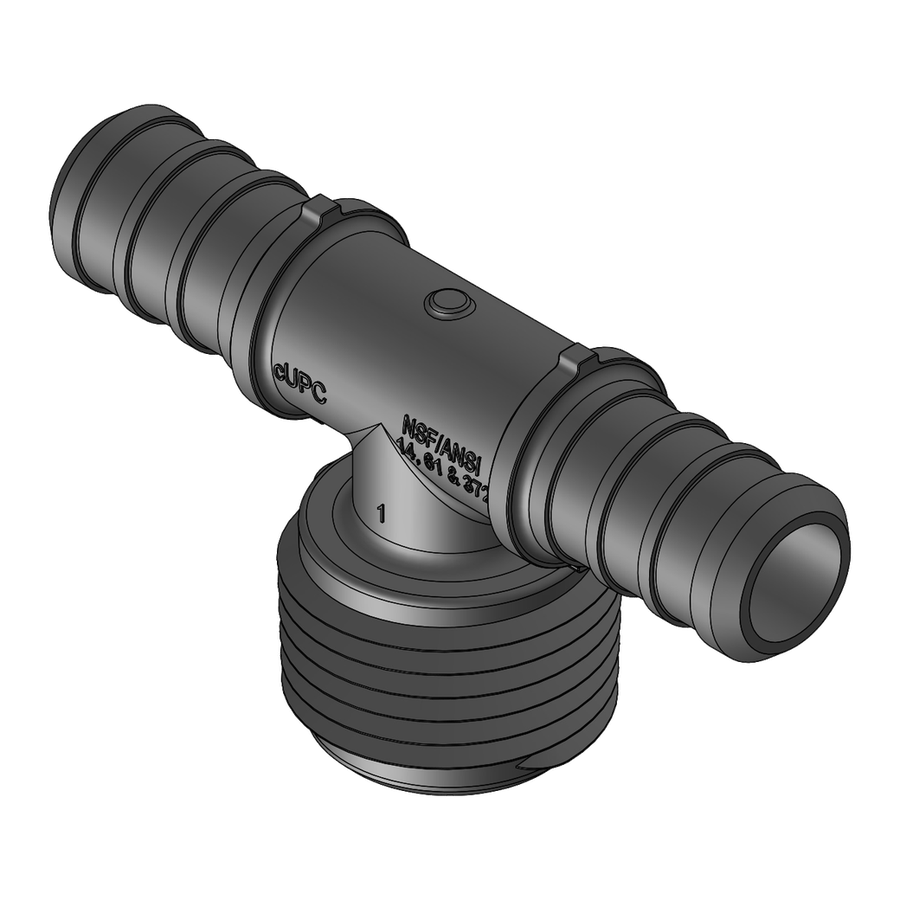
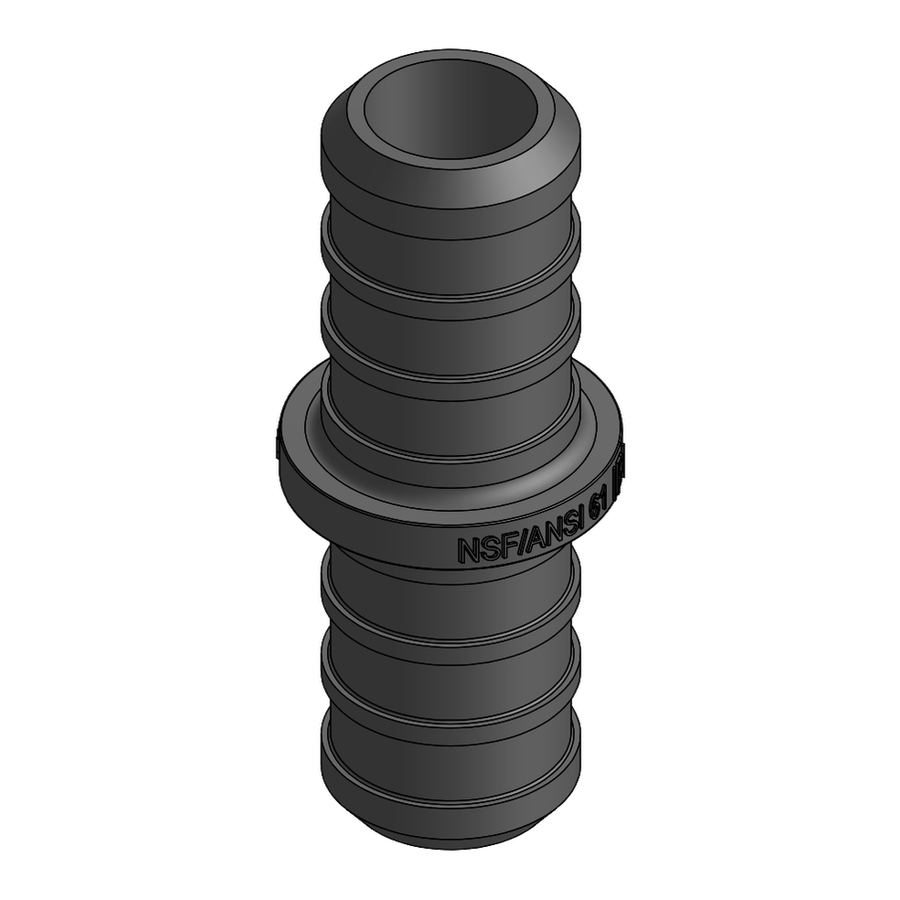
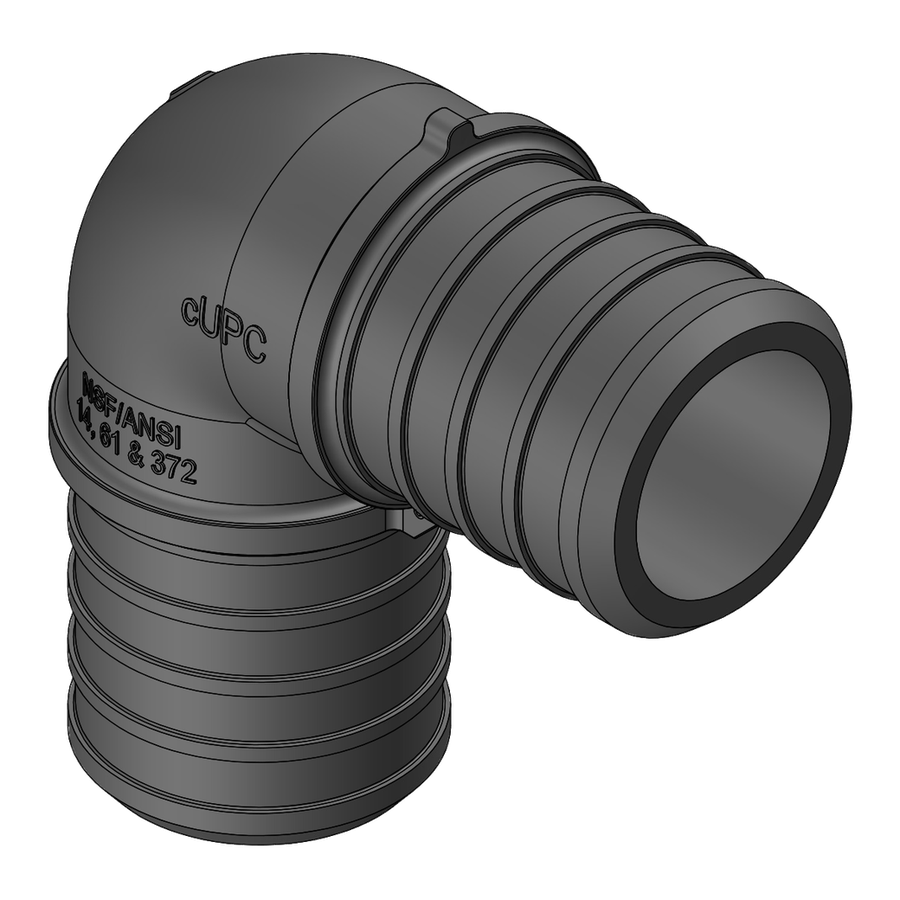
The range runs across both standards in PPSU so a branch can carry one domestic line.
Why it is built this way
PPSU — dimensional stability and chlorine resistance at temperature
Multi-supplier resin qualification so a compound change does not restart certification
Domestic stock on a schedule, not a container booking
Private label and custom part numbers
The line
Fitting types.
ASTM F2159
Insert fitting, copper crimp ring1/2″ · 3/4″ · 1″Coupling
Straight join, same size or reducing
1/2″ – 1″Elbow
90° turn, barb both ends
1/2″ – 1″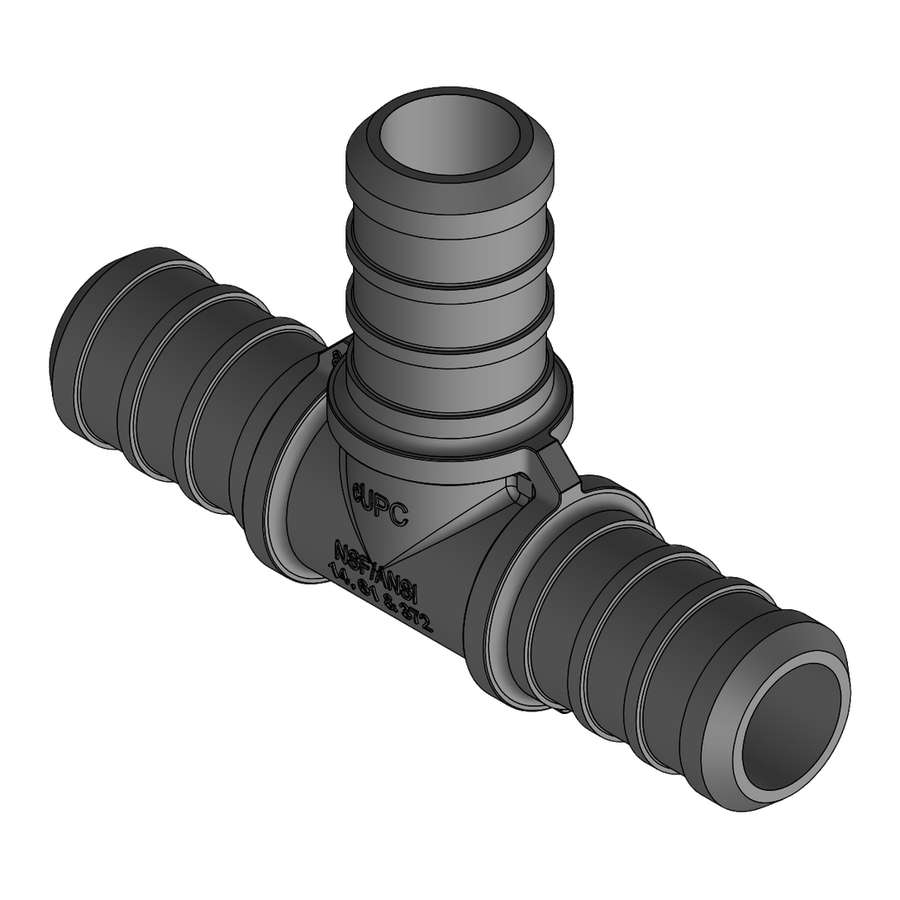
Tee
Equal and reducing branches
1/2″ – 1″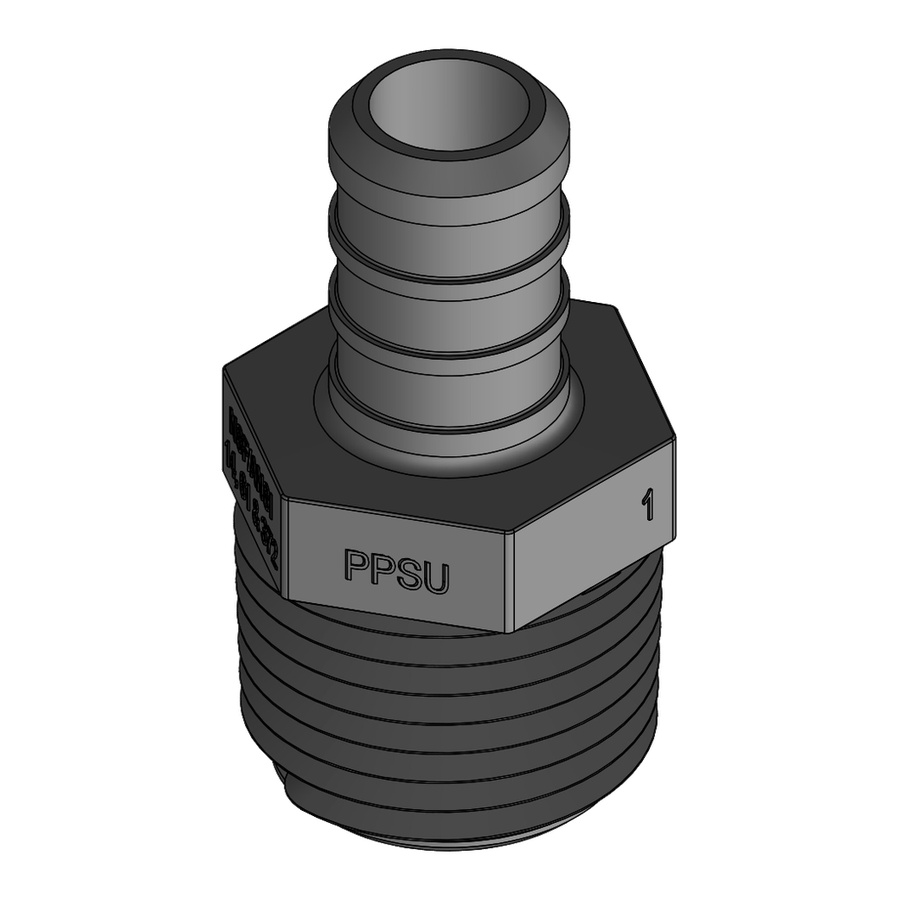
Male adapter
Barb to male thread
1/2″ – 1″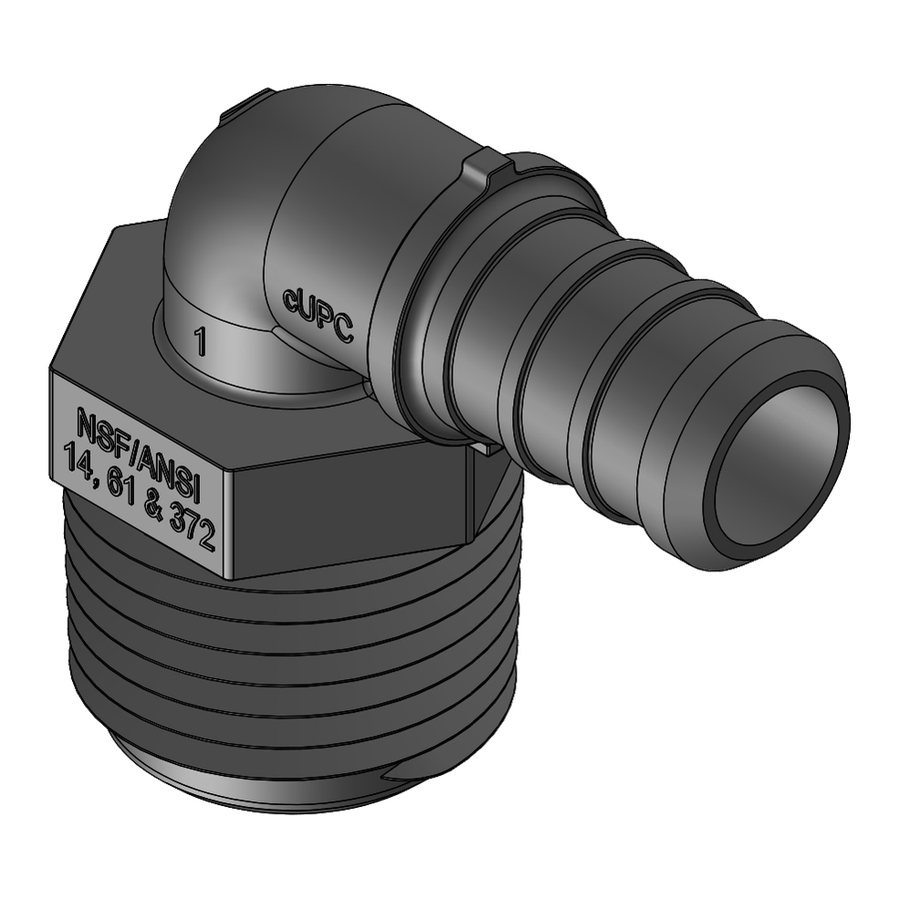
Male elbow
90° turn to male thread
1/2″ – 1″Male tee
Branch to male thread
1/2″ – 1″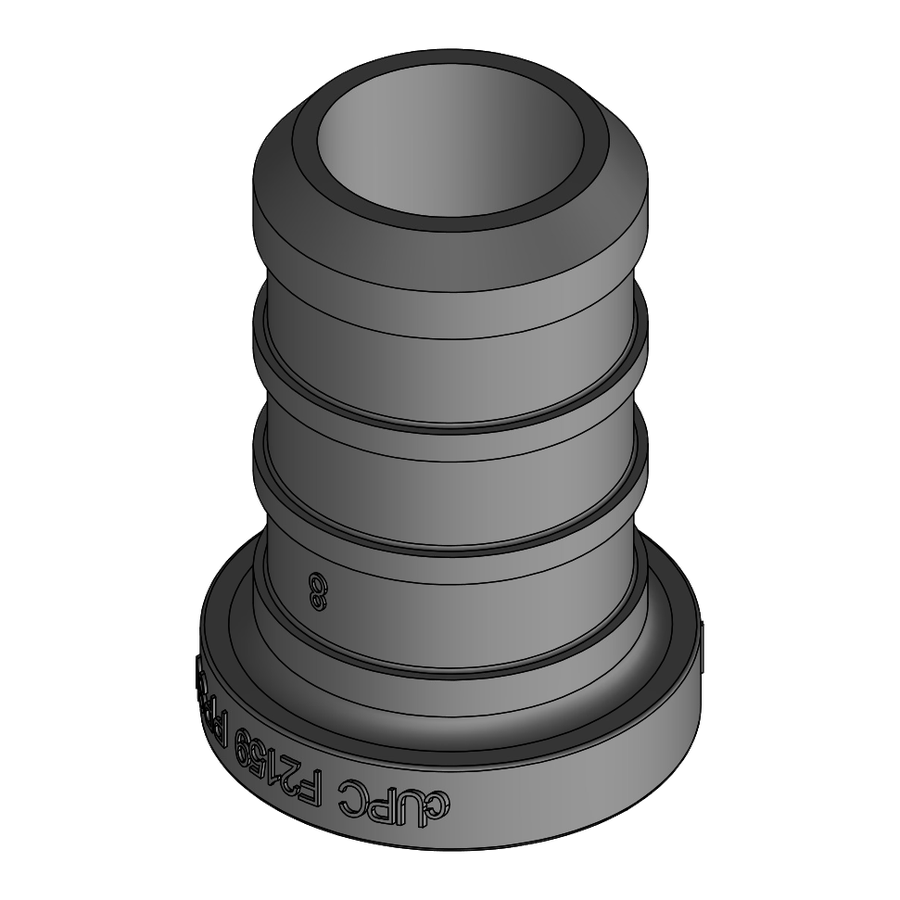
Plug
Closes off a run or a test port
1/2″ – 1″ASTM F1960
Cold expansion, PEX reinforcing ring1/2″ · 3/4″ · 1″ · 1¼″ · 1½″ · 2″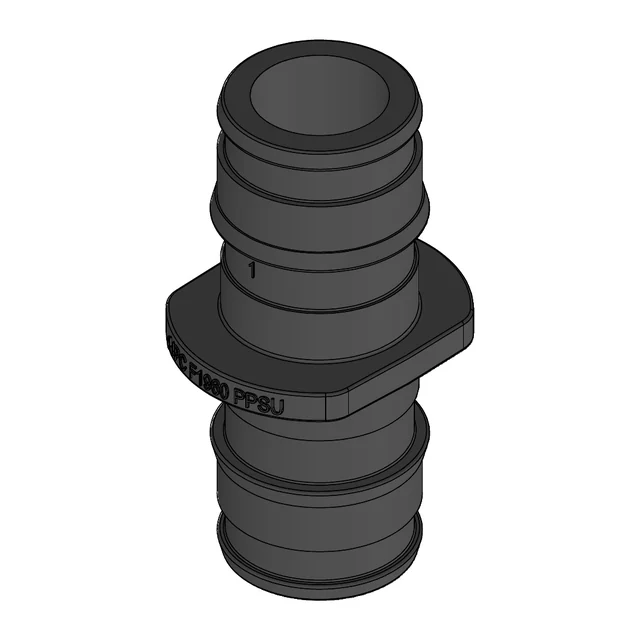
Coupling
1/2″ – 2″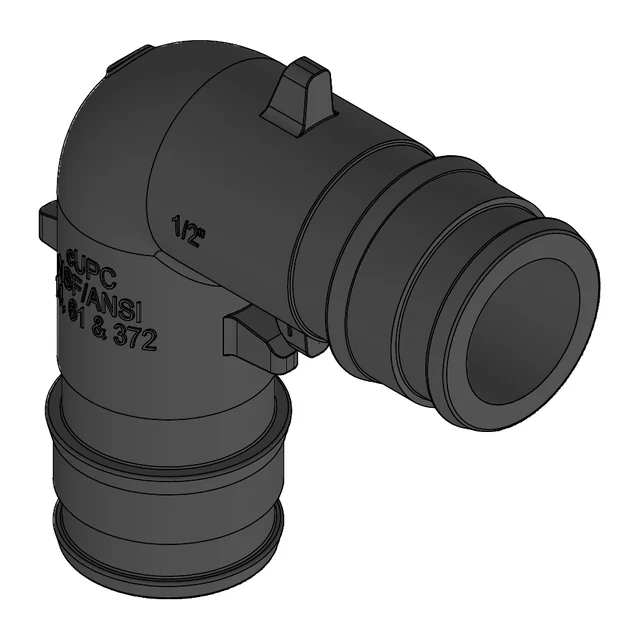
Elbow
1/2″ – 2″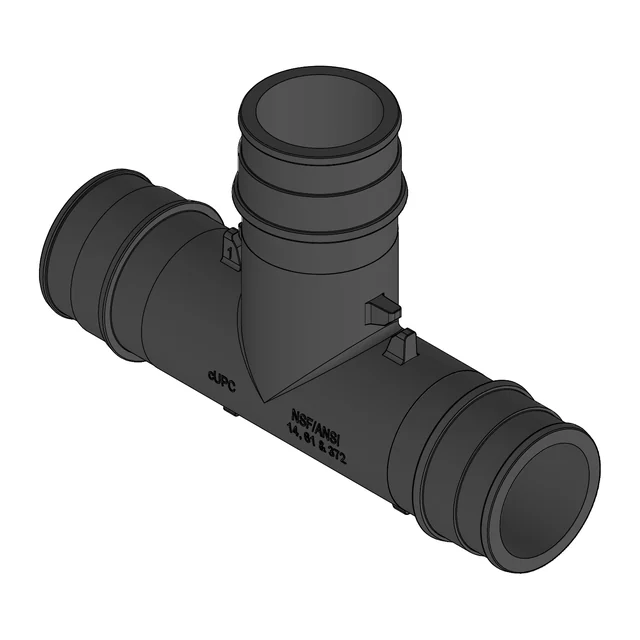
Tee
1/2″ – 2″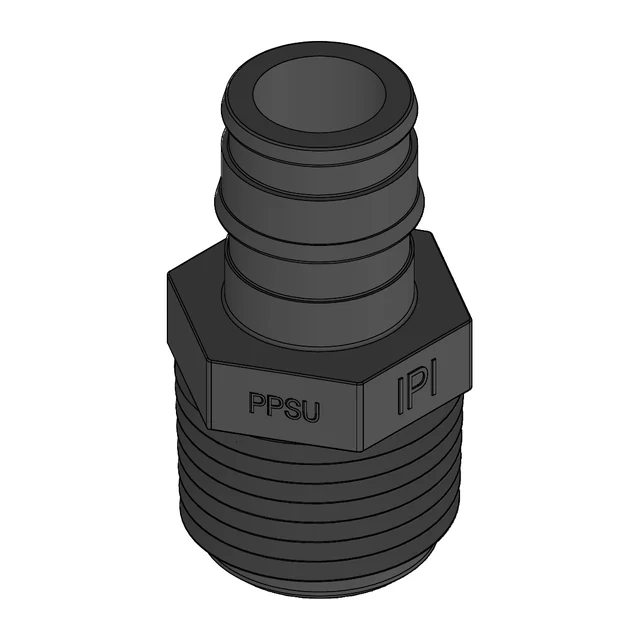
Male adapter
1/2″ – 2″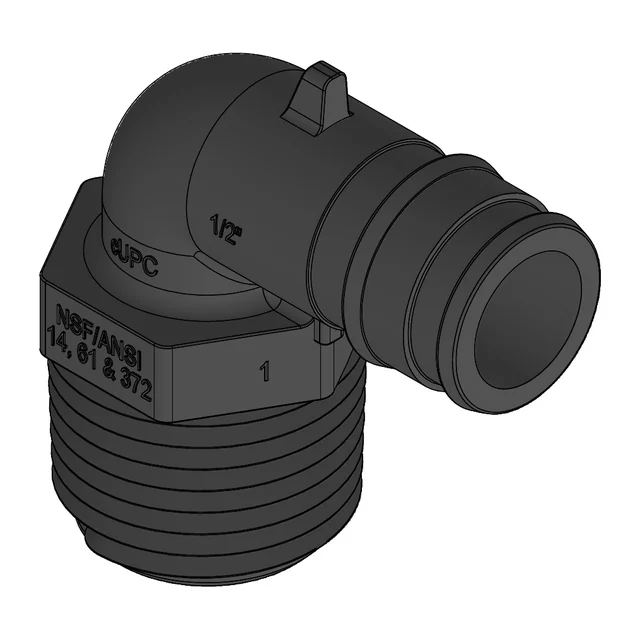
Male elbow
1/2″ – 2″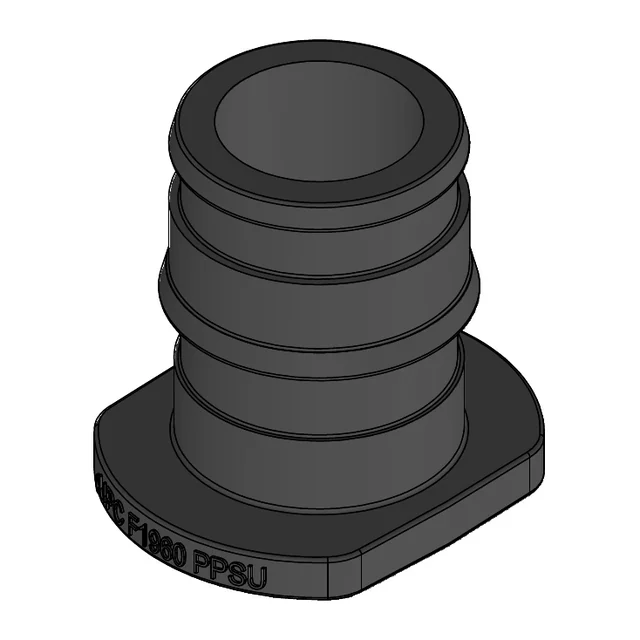
Plug
1/2″ – 2″Manifolds
3/4″ trunk, 1/2″ outlets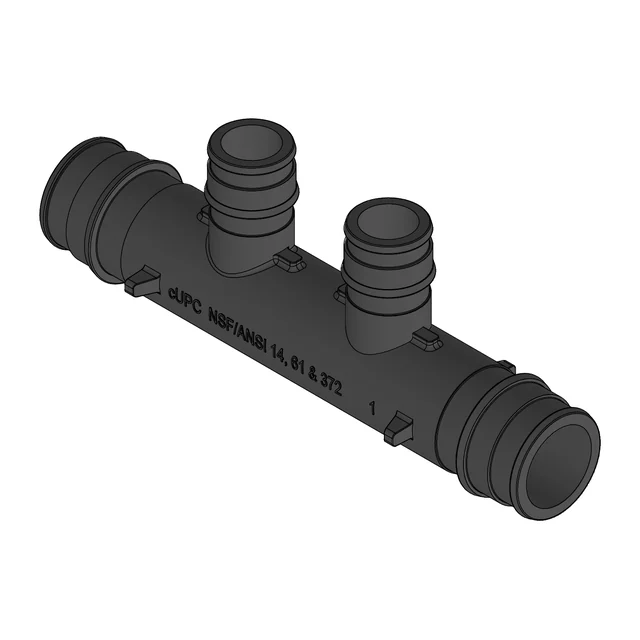
Manifold, 2 outlets
Open end
3/4″ × 1/2″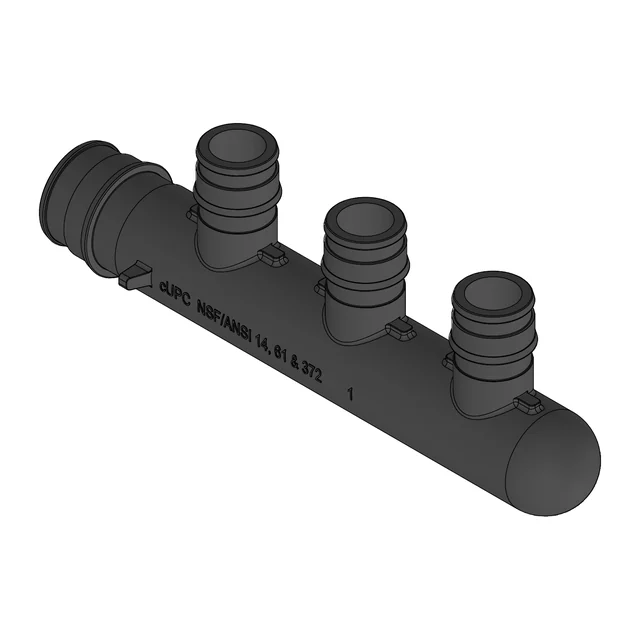
Manifold, 3 outlets
Closed end
3/4″ × 1/2″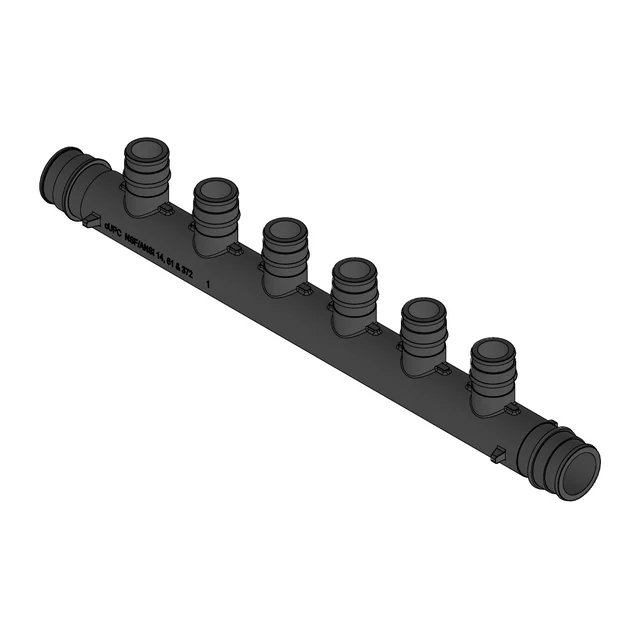
Manifold, 6 outlets
Open end
3/4″ × 1/2″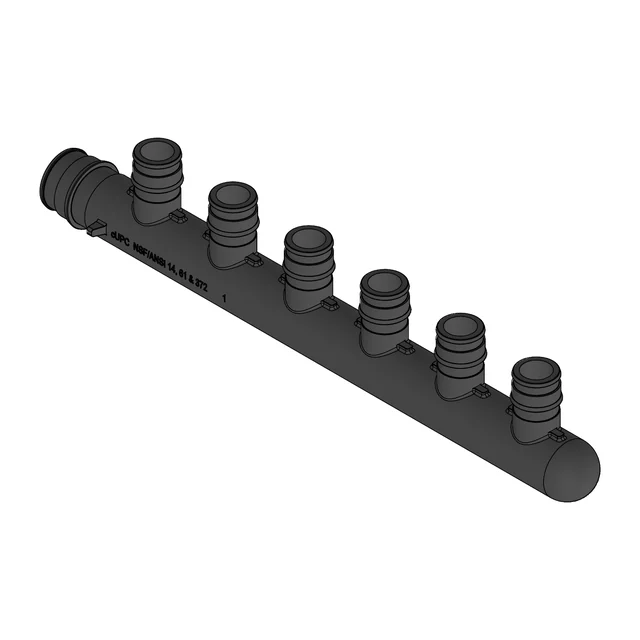
Manifold, 6 outlets
Closed end
3/4″ × 1/2″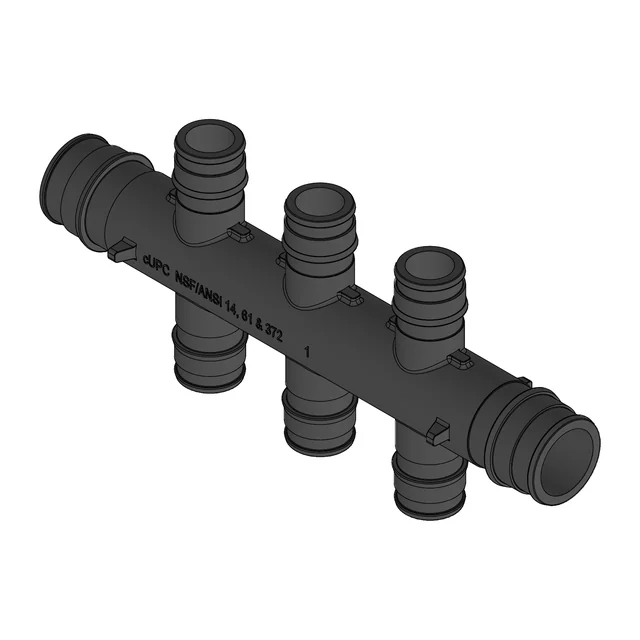
Manifold, 6 outlets
Opposed outlets, open end
3/4″ × 1/2″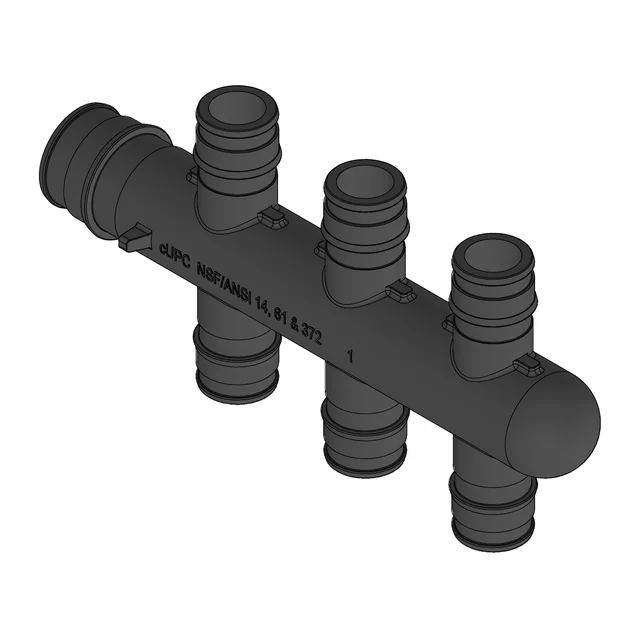
Manifold, 6 outlets
Opposed outlets, closed end
3/4″ × 1/2″Our products
The rest of the line.
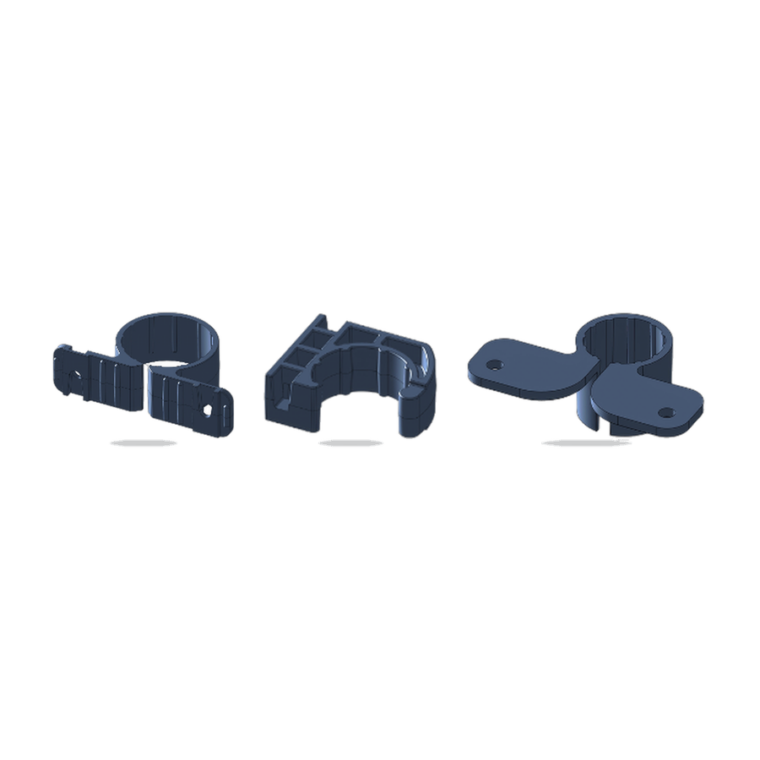
PEX clips & supports
Molded clips, straps and standoffs for PEX, conduit and cable.
See the range ›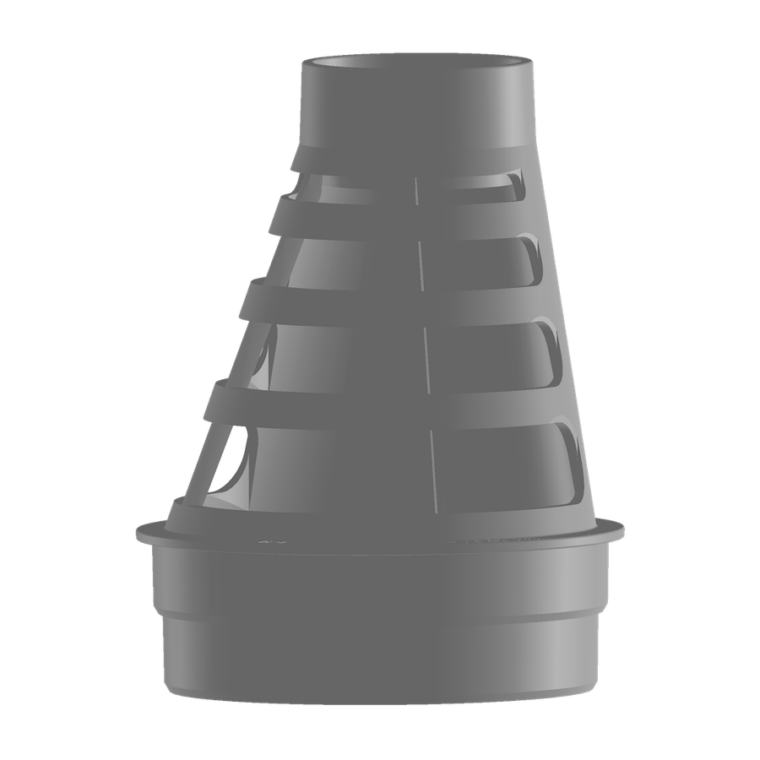
Freeze Guard
Sump pump discharge freeze guard. Keeps the pump flowing when the discharge line freezes.
See the range ›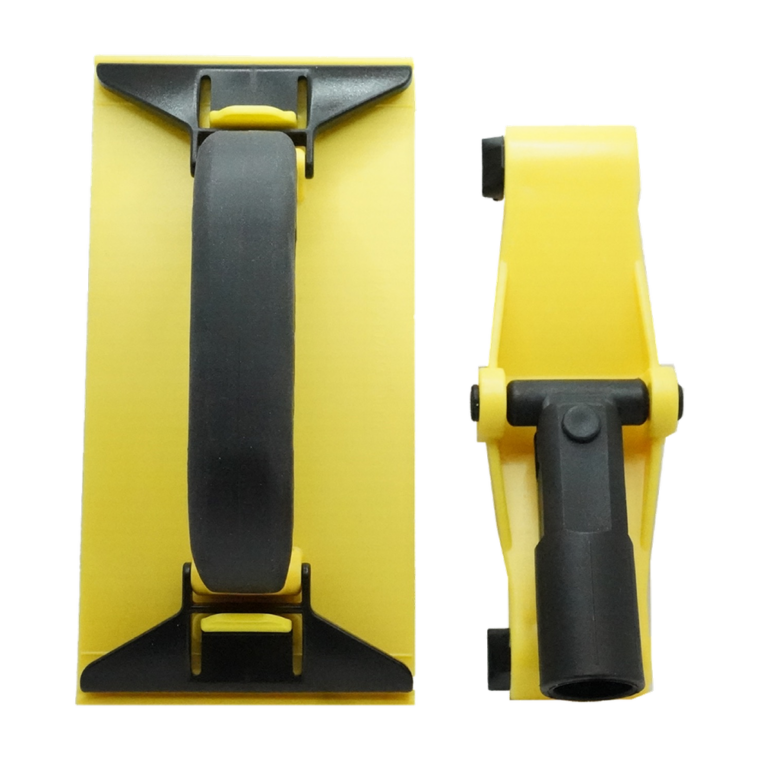
Hand & pole sanders
Drywall sanding tools built for crews who use them all day.
See the range ›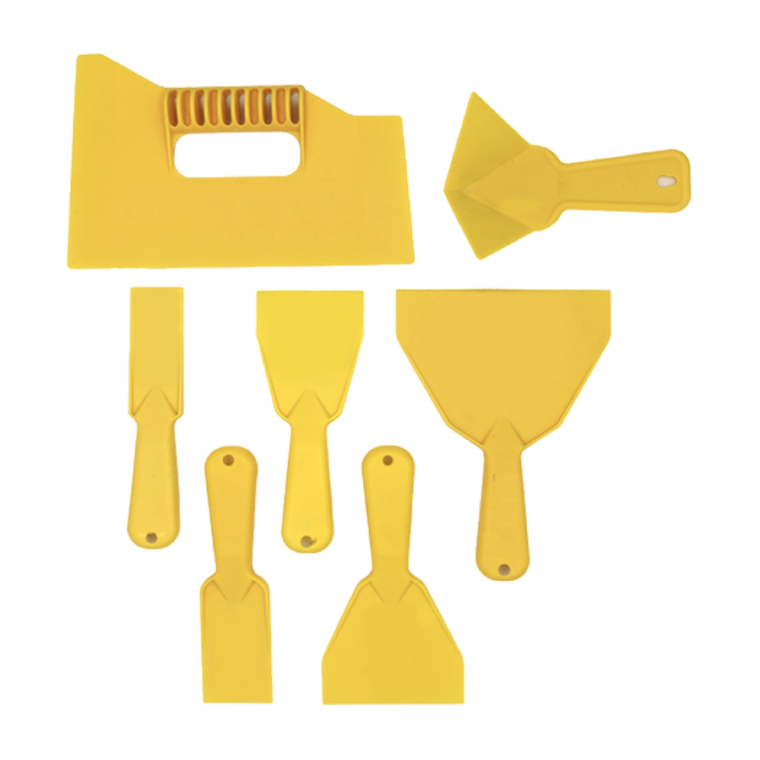
Drywall hand tools
Trade tools designed and molded in-house alongside the sander line.
See the range ›
Airlock & sausage packaging
A cartridge that closes again, and the chub filling line behind it.
See the range ›Contact
Ask about this line.
Pricing, availability, private label, or a sample. You get an answer from a person.